

How to Fly Fish in Winter: A Step-by-Step Guide to Catching More Trout in Cold Water
This blog article is a loose guide to understanding the step by processes for winter fly fishing. It will cover trout behavior, what flies to choose, where to fly fish, how to read water, and common mistakes and issues that most fly anglers encounter when fly fishing in the winter.
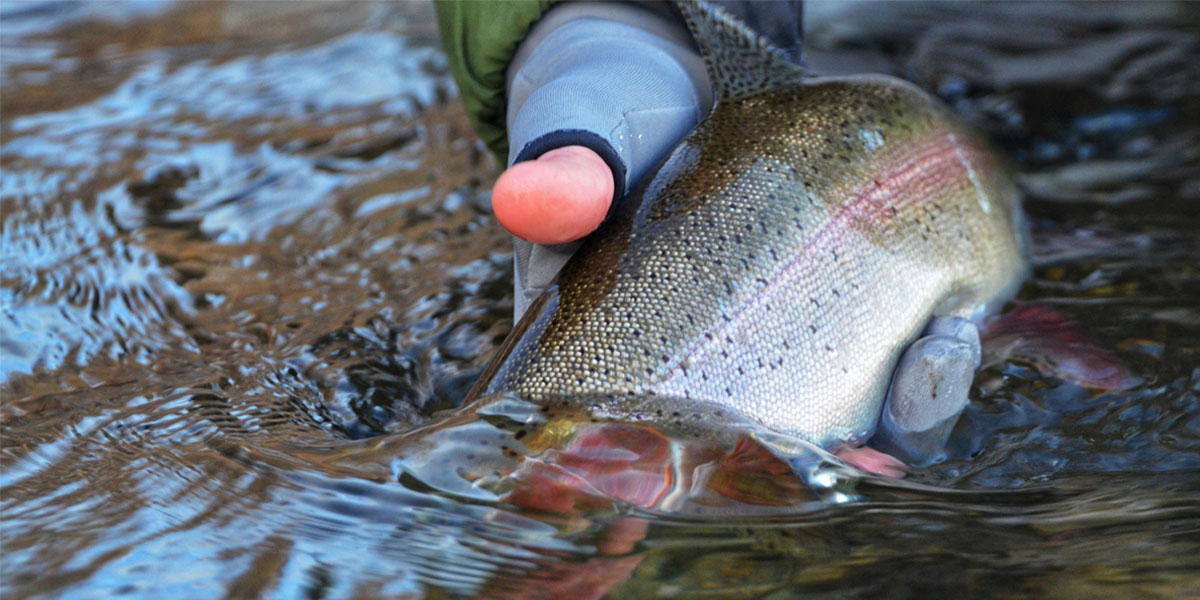
Understanding Trout Behavior in Winter
The key to winter fly fishing is understanding trout behavior. Whether you are fishing for rainbow trout, brown trout, or cutthroat trout, there behavior is largely dictated by the temperature of the water.
Why does winter fly fishing work?
As winter sets in, water temperatures drop. Forty-five degrees is the magic number. Below this temperature mark, a trout metabolism slows down. Effectively, this temperature change sends trout into hibernation. They stop moving or chasing food, they are slow to eat, and move into slow deep water. Nonetheless, they still need to eat to survive. This is your opportunity to maximize your days on the water, and catch trout year round.
Key winter trout behavior traits:
-
Focus your attention on slow deep water
-
Feeding times are predicable and consistent
-
Trout stay in tight feeding lanes
-
Exact presentation into specific feeding lanes is key to success
Winter fly fishing is all about efficiency: flies presented at the correct depth, in the correct feeding lane, at the correct time is the recipe for catching trout in cold water.
Where Trout Hold in Cold Water
Focus on:
-
Look for slow seams where fast water meets slow water
-
Deep pools with and buckets will hold lots of fish
-
Slow moving water on the inside side of river
-
The very back end of fast moving riffles
-
The back side of any type of structure that breaks the flow of the faster moving water.
Avoid:
-
Skip fast moving water
A good rule of thumb: you should be able to stand in the water and not feel like you are going to be swept away. Once you identify what good winter trout holding water looks like, it will be very obvious where to find winter trout.
The Most Effective Winter Fly Fishing Setup
A standard fly fishing rod, fly reel and fly line is sufficient for winter trout angling. A five or six weight fly rod is ideal for most trout fishing setups. On larger wider rivers where wind could be an issue, upsize to a six weight fly rod.
Rod & Reel
-
9’ 5 weight or 6 weight fly rod with a fast action tip
-
Weight forward floating fly line
Leader & Tippet
-
9–12 ft leader
-
5X or 6X tippet
-
Small flies require light tippet, the lighter the tippet, the more natural the fly can be presented when nymphing or fishing dry flies.
Indicator vs Tight-Line
Both Euro nymphing and indicator nymphing work well. I prefer a yarn indicator for winter fly fishing. Strikes can be subtle, and yarn is the most sensitive.
Depth is Key
Remember, trout this time of the year will not move long distances to eat a fly. Therefore, getting your flies to correct depth is Key to achieving positive hookup results. Carry plenty of split shot in different sizes to ensure that your flies are deep enough in the water column and in the strike zone.
Best Winter Flies for Trout
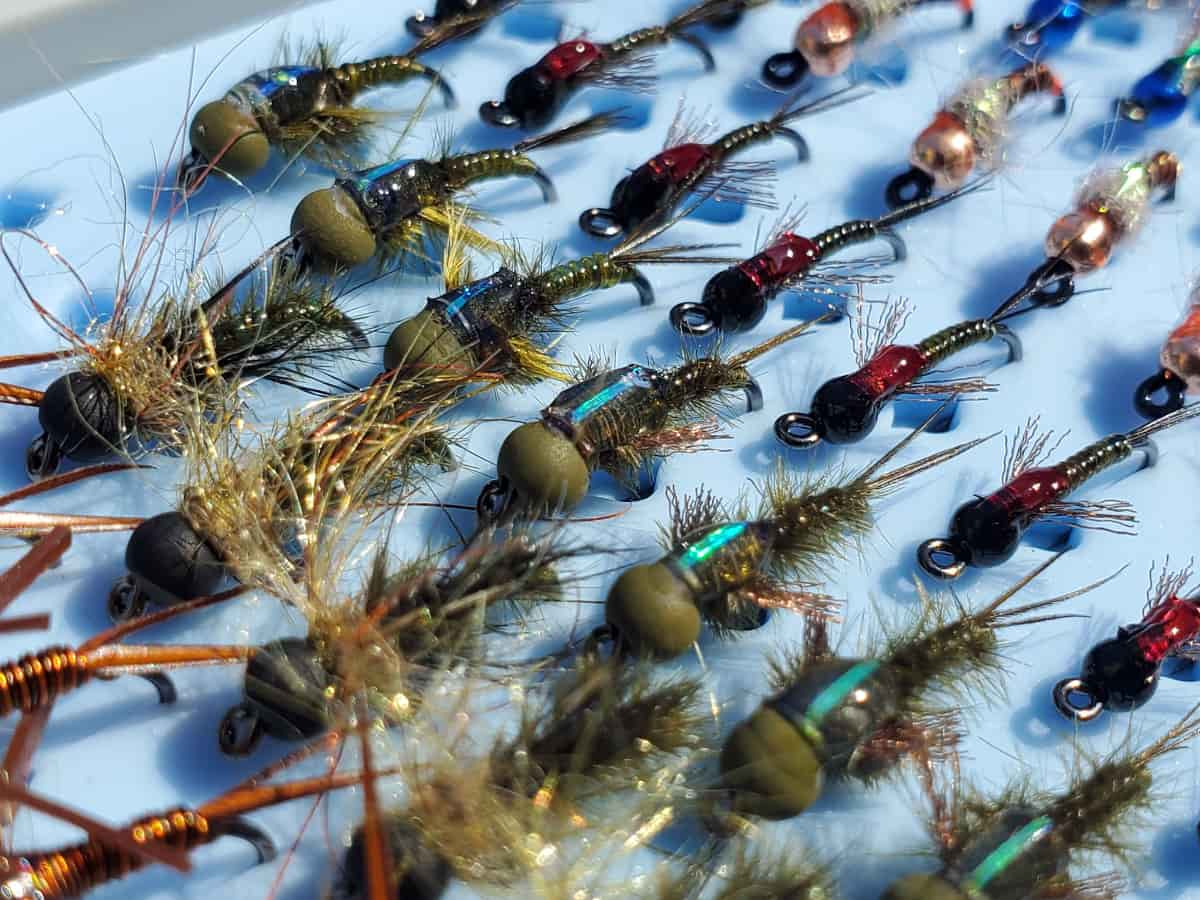
The only insects this time of year are going to be midges and small blue wing olive mayflies. Flies in the size 18 to 24 are going to be your best bet. Other forage items that could be found in the river are worms, scuds, sowbugs, and shrimp. Small baitfish and trout fry get eaten too.
Proven winter fly patterns:
- Zebra Midge (black, red, or silver)
- Sparkle Midge
- RS2 (gray or olive)
- Small scuds (gray or tan)
- Tiny Perdigons (size 18–20)
- Soft hackles fly patterns
- Small flashback pheasant tails
- Griffith's Gnat
- Mckitricks Ice Queen
- The Mop Fly
- Radiation Baetis
- Juju Baetis
- Juju Midge
- Mole Fly Midge
- CDC Midge
Fly size matters more than color
Go small, and flies in brown, black, and olive are all good color options. Sometimes, up-sizing can be a great tactic in heavily pressured tailgaters. Presenting a fly that is large in profile can provoke strikes when others don't.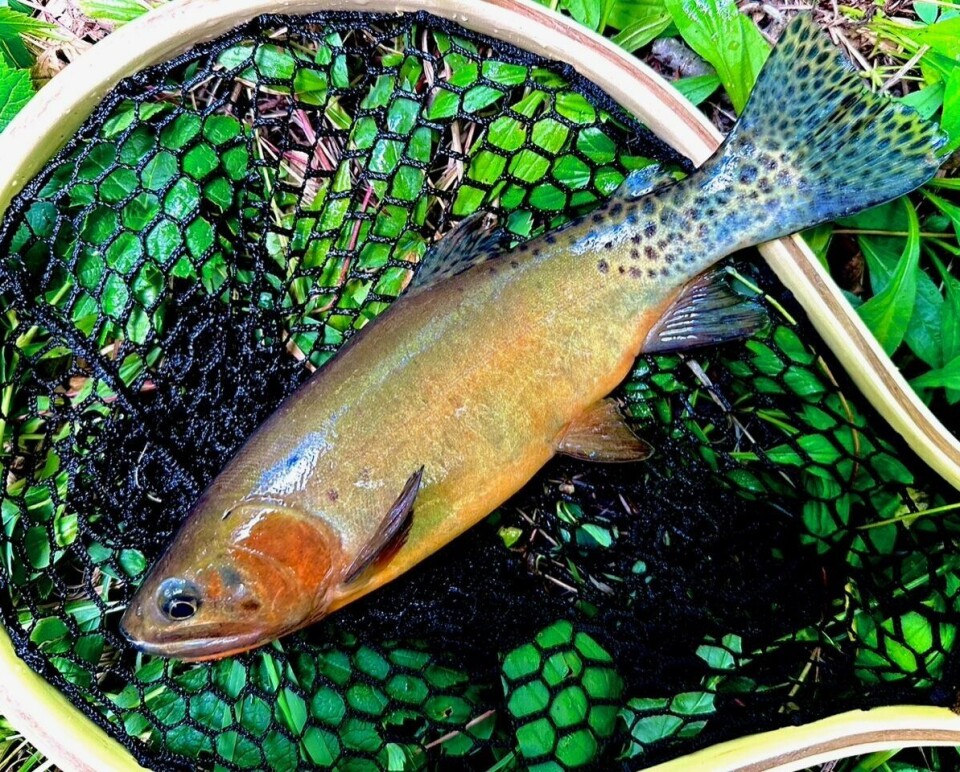
Depth, Drift, and Speed: The Key to Winter Success
Achieving a drag free drift, and keeping the flies deep in the strike zone is key to success not matter what time of the year it is. With small flies and a light leader, down size everything.
Use a small strike indicator, eliminate knots where you can, eliminate split shot when you can, and use the smallest diameter tippet you can get away with.
By reducing the size of your rig, you are reducing the surface area of your fly setup. This reduces the rivers ability to drag your flies, allowing you a more efficient drag free drift.
Depth
-
Trout are on the bottom of the river. Fish deep.
-
Use small amounts of split shot to get the flies to depth
-
You should see the indicator telegraphing small ticks as your flies bounce along the bottom.
Drift
-
Use less large efficient mends.
- Eliminate a multiple small mends
Speed
-
Use flotsam and bubbles on the rivers surface as references to your indicator.
-
Dead drift only—your indicator should be moving at the same speed as debris in the river.
👉 Make micro adjustments to your rig in both weight and depth before you change flies. Also, change position to achieve a better drag free drift if needed.
Best Time of Day to Fly Fish in Winter
Winter trout feed in certain windows. Mid-day is generally the best time focus on fishing. When temperatures reach 32 degrees or above and there is light cloud cover or snow, these conditions can provide dynamite hatches. With increased moisture in the air, it prolong aquatic insect hatches and keep bugs on the water for excellent day fly fishing. This is one of my favorite times to fish dry flies.
Best windows:
-
Early morning fish larva patterns near the bottom of the river
-
When water temps rise above 32 degrees
-
Cloudy days often outperform sunny ones
Sleep late and fly fish mid day. This is the optimal time to catch trout in the winter.
Common Winter Fly Fishing Mistakes
Try to avoid these mistakes when fly fishing in the winter. These are just a few pointers to help increase your hookup rate and maximize your time on the water.
1. Fish Slow Water
Focus on slow deep water.
2. Its You Not the Fly
Change your physical position or the depth and weight of your flies before you change the patterns
3. Look for Fish On The Margins
Before charging into the river, look for trout holding in shallow water on the margins of the river.
4. Overthinking It
Winter fishing is simple: small flies, slow drifts, correct depth.
Winter Fly Fishing Can Make You a Better Angler
These colder months are the ideal times to work on fly fishing fundamentals
-
Understanding Trout Behavior
-
Shallow Water Nymphing
-
Tactical Small Fly Fishing
This is your opportunity to become a better angler. With less people and less pressure, you can work on fly fishing fundamentals, and enjoy more days on the water. Fly fishing year round will make you a more complete fly fisherman.
And just like art, winter fishing forces you to slow down and notice details you’d normally rush past.
Final Thoughts
The fish don't stop eating, so you shouldn't stop fishing. The colder winter months are the ideal opportunity to catch fish and enjoy a sport that others have given up on.
Become a better angler, fish to less pressured fish, and enjoy the quiet nature of a usually crowded river.
0 comments